UK Capital Allowances: How Full Expensing Works
Full expensing is a permanent UK capital allowance regime offering limited companies an immediate 100% tax deduction on qualifying, new brand-new plant and machinery.
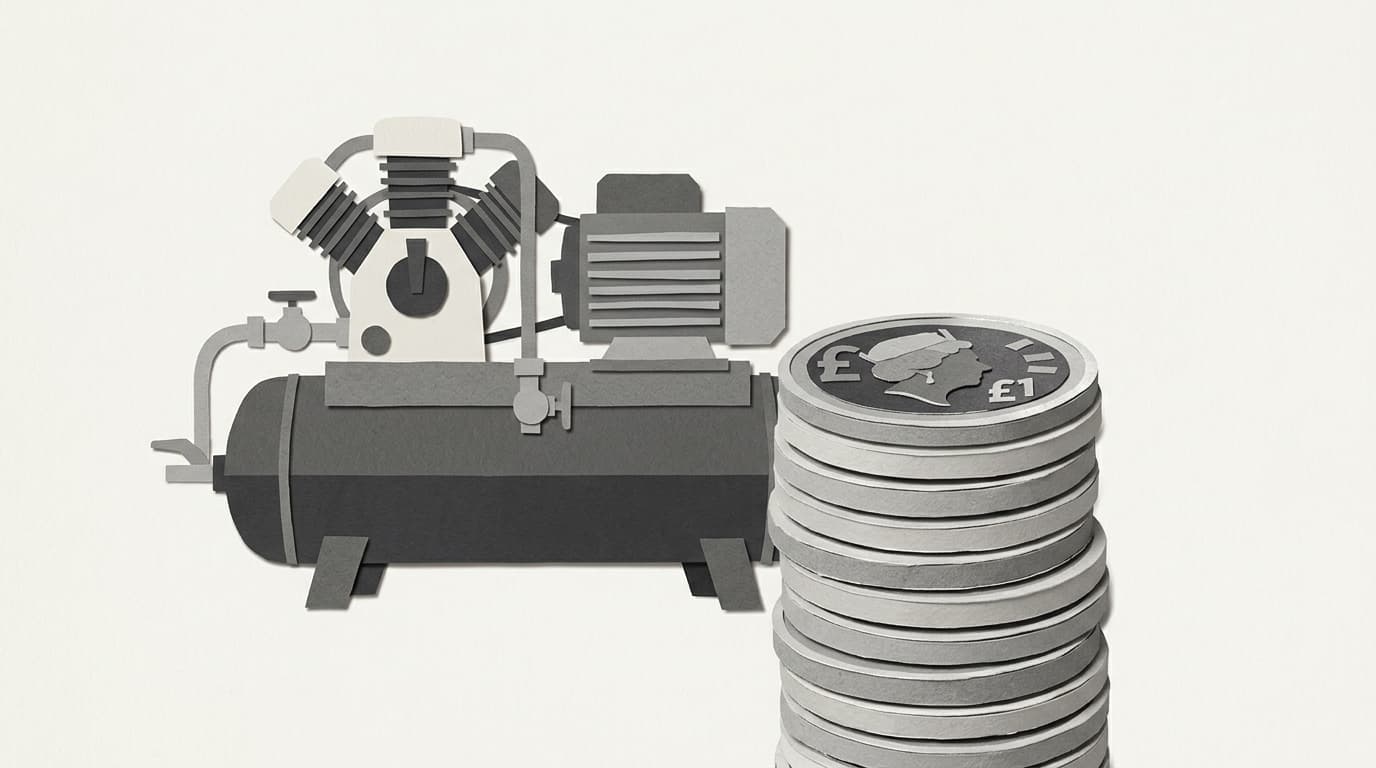
For UK companies, full expensing is a powerful mechanism that allows an immediate corporation tax reduction of 25p for every £1 spent on qualifying equipment in the year of purchase. There is no upper limit on the overall investment amount that can benefit from this 100% tax relief.
Key Takeaways
- Companies can write off 100% of the cost of brand-new, main-rate plant and machinery against taxable profits.
- The relief cuts UK Corporation Tax liability by up to 25% of the qualifying asset's purchase price in the first year.
- Special-rate assets do not qualify for the 100% rate but can claim a 50% first-year allowance instead.
- Unincorporated businesses like sole traders cannot use full expensing but can claim the Annual Investment Allowance up to £1 million.
- Selling a full expensing asset triggers a balancing charge, effectively clawing back the tax relief relative to the disposal proceeds.
How Does Full Expensing Let My Company Deduct 100% of its Plant and Machinery Costs?
Your company can deduct the entire cost upfront because full expensing operates as a 100% first-year allowance.
Under Section 45S of the Capital Allowances Act (CAA) 2001, qualifying expenditures do not go through traditional multi-year writing-down pools. Instead, the total capital outlay is subtracted directly from taxable profits in the first year.
Because the headline UK Corporation Tax rate stands at 25%, this immediate deduction results in an instant tax saving of 25p for every £1 spent. This mechanism dramatically reduces corporate tax liabilities and releases vital cash flow back into the business immediately.
What is Full Expensing and How Does It Work?
Full expensing is a permanent, uncapped capital allowance regime introduced on 1 April 2023 to replace the temporary 130% super-deduction.
- Your company incurs capital expenditure on buying new, unused main-rate plant or machinery.
- You claim the 100% first-year allowance on your company's Corporation Tax return for that accounting period.
- The entire purchase price is deducted from the company's gross taxable profits before tax is calculated.
- Your final Corporation Tax liability is reduced, freeing up cash for reinvestment rather than delaying tax relief over several years.
An Example of How Full Expensing Cuts Your Tax Bill
Consider a manufacturing company that purchases a new heavy assembly line for £200,000 during the financial year. Under the default writing-down allowance of 18%, the first-year deduction would only be £36,000, leaving the remaining balance to be relieved slowly in future years.
With full expensing, the company claims a 100% allowance of £200,000 in year one. This massive deduction reduces taxable profits by £200,000, which yields an immediate tax saving of £50,000 when calculated at the 25% Corporation Tax rate.
What Qualifies for Full Expensing?
To qualify for full expensing, the plant and machinery must be brand-new and meet the definitions for main-rate assets.
Under UK rules, assets fall into different tiers depending on their function and expected lifespan. The table below outlines how different asset categories qualify for either the 100% full expensing allowance or the partial 50% first-year allowance.
| Asset Category | Allowance Rate | Examples |
|---|---|---|
| Main-Rate Assets | 100% FYA | Computers, office desks, factory machinery, warehouse equipment, software |
| Special-Rate Assets | 50% FYA | Air conditioning systems, electrical installations, escape lighting, thermal insulation |
What Assets Do Not Qualify for Full Expensing?
Several types of business assets are explicitly excluded from full expensing under current UK capital allowances legislation.
- Second-hand and used assets: The equipment must be brand-new and unused to qualify for full expensing.
- Cars: Commercial vans and lorries qualify, but cars are subject to separate capital allowance restrictions.
- Leased assets: Equipment acquired to lease or hire out to third parties is generally excluded from this relief.
- Non-business assets: Assets used partially for personal or non-business purposes must have their claim reduced proportionally.
- Gifts: Any equipment gifted to the company cannot be claimed under the full expensing rules.
Who is Eligible to Claim Full Expensing?
Eligibility for full expensing depends entirely on your legal business structure and corresponding tax regime.
Only corporations subject to UK Corporation Tax can utilize full expensing. Non-corporate structures cannot access this specific first-year allowance and must rely on other capital allowances instead.
| Business Structure | Can Claim Full Expensing? | Primary Alternative Relief |
|---|---|---|
| Limited Companies | Yes (Unlimited expenditure) | Annual Investment Allowance |
| Sole Traders | No | Annual Investment Allowance (up to £1m per year) |
| Partnerships | No | Annual Investment Allowance (up to £1m per year) |
What is the Disposal Clawback and How Does It Affect Sales?
The disposal clawback is a tax mechanism that recoups relief when you sell an asset claimed under full expensing.
When your company eventually disposes of an asset for which 100% full expensing was claimed, a balancing charge is triggered. You must add the disposal proceeds directly back to your company's taxable profits in the year of sale.
For assets that claimed the 50% special-rate first-year allowance, only 50% of the sale proceeds are treated as a balancing charge. The remaining 50% of the proceeds is deducted from the special-rate pool value as normal.
How Do the 2026 Capital Allowance Changes Impact Claims?
Statutory updates starting on 1 April 2026 alter the default writing-down rates and add new reliefs for leasing.
The default main pool writing-down allowance drops from 18% to 14% on 1 April 2026. This change means that any assets which do not fit into full expensing or the Annual Investment Allowance will be written off at a slower pace.
To balance this reduction, a new 40% first-year allowance is scheduled to take effect for qualifying main-rate plant and machinery used for leasing. Unincorporated businesses that cannot access full expensing can also utilize this 40% first-year allowance.
What is the difference between full expensing and the Annual Investment Allowance?
The Annual Investment Allowance (AIA) lets all business types deduct up to £1 million of plant and machinery costs per year. Full expensing is only for limited companies, but it has no monetary limit on spending.
Can limited companies claim full expensing on leased assets?
No, leased assets are generally excluded from full expensing. However, limited companies can explore the newer first-year allowances scheduled for qualifying leased assets from April 2026.
Can sole traders claim the 100% full expensing allowance?
No, sole traders are not eligible for full expensing because they pay Income Tax rather than Corporation Tax. They can instead use the Annual Investment Allowance to get a 100% first-year deduction up to the £1 million annual threshold.
How does the disposal of a full expensing asset affect my corporate tax return?
When you sell an asset claimed under full expensing, you must report the sale proceeds as a balancing charge. This addition increases your taxable profit for that accounting year, clawing back the original tax relief relative to the sales value.
Can you claim full expensing on electric cars or commercial vehicles?
You cannot claim full expensing on any cars, including electric cars, as cars are subject to separate capital allowance rules. Commercial vehicles like vans and lorries do qualify for full expensing if they are purchased brand-new.